
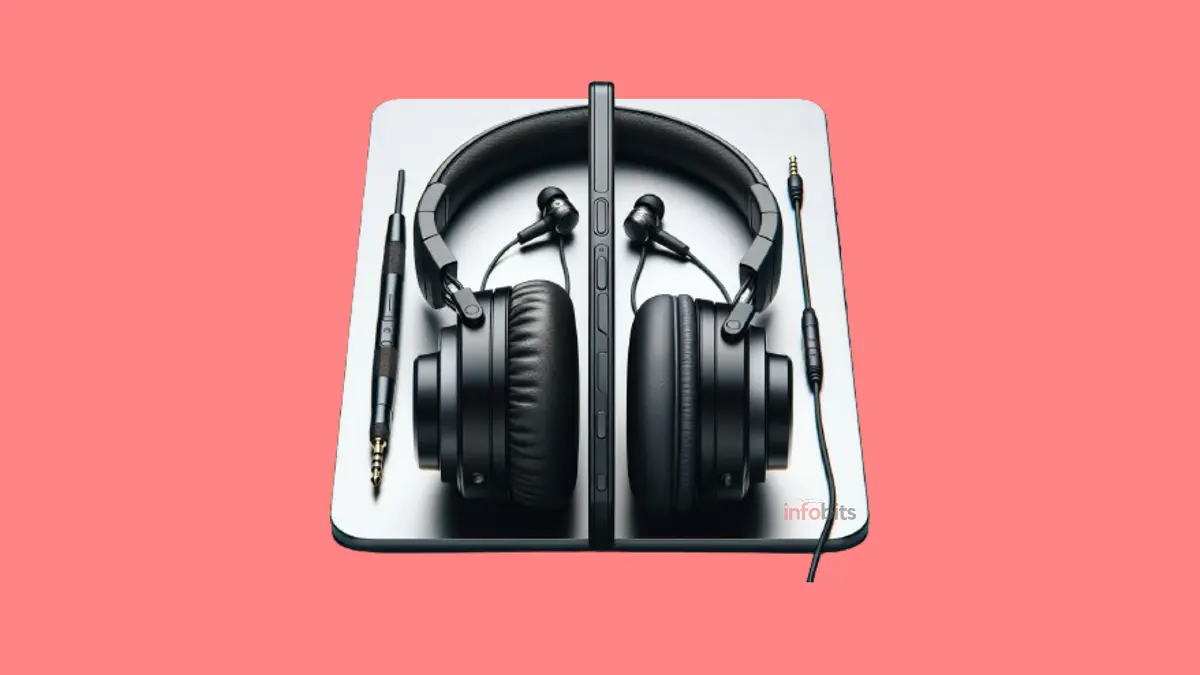
Headphones vs Earphones: Which Is Better for You? (Honest 2026 Comparison)
This is one of those questions that sounds simple until you actually try to answer it.
Headphones or earphones? Most of us have owned both at some point: a pair of earphones for the daily commute, headphones gathering dust on the desk, and still aren’t quite sure which one we actually prefer or which one we should be using.
The honest answer is: it depends entirely on how you plan to use them, what your budget is, and what you value most: sound quality, portability, comfort, ear health, or noise isolation.
This guide breaks down every factor that actually matters: driver size, ANC quality, battery life, ear health, India-specific pricing, and real-world use cases, so you can stop guessing and make the right choice for your lifestyle.
Quick Answer: Headphones are better for sound quality, long listening sessions, gaming, studio work, and active noise cancellation.
Earphones (including TWS earbuds) are better for portability, workouts, commuting, calls, and casual daily use. Neither is universally superior , the right choice depends on your primary use case.
For most Indian users who need one device for everything, a good pair of TWS earbuds (₹1,500–₹6,000) offers the best balance of portability, features, and value. For audiophiles, home listening, or office use, over-ear headphones deliver a noticeably better audio experience.
First: Let’s Sort Out the Terminology (Because It’s Confusing)
Before comparing them, it helps to clarify what we actually mean, because “headphones” and “earphones” are used loosely and inconsistently by brands, retailers, and users alike.
Headphones
Headphones are worn on or over the head with a headband connecting two ear cups. There are two main types:
- Over-ear (circumaural): The ear cups fully surround and enclose your ears. Offer the best passive noise isolation, comfort for long sessions, and generally the best sound quality. Think: Sony WH-1000XM5, Bose QuietComfort 45, Sennheiser HD 600.
- On-ear (supra-aural): The ear cups sit on top of the outer ear rather than around it. More compact and lighter than over-ear, but typically less comfortable for extended listening and offer less isolation. Think: Marshall Major IV, Sennheiser HD 25.
Earphones / Earbuds / TWS / IEM
This is where it gets confusing. These terms are often used interchangeably but technically mean different things:
- Earphones: A broad term for any small audio device worn in or near the ear. In India, “earphones” most commonly refers to wired in-ear devices.
- Earbuds: Sit at the entrance of the ear canal without going inside; the classic Apple EarPods style. Less isolation; can fall out easily during activity.
- In-Ear Monitors (IEMs): Fit inside the ear canal with a silicone or foam tip, creating a seal. Offer much better isolation and bass response than open earbuds.
- True Wireless Stereo (TWS) earbuds: Completely wireless (no cable, even between the two earpieces), stored in a charging case. Currently the most popular form factor in India. Think: boAt Airdopes, Samsung Galaxy Buds, Apple AirPods, Sony WF-1000XM5.
- Neckband wireless earphones: The two earpieces are connected by a cable that loops around the neck; the cable contains the battery and controls. Think: OnePlus Bullets Wireless, boAt Rockerz series.
For the rest of this article:
- “Headphones” = over-ear or on-ear headphones
- “Earphones” = any in-ear device, including wired IEMs, TWS earbuds, and neckbands
Sound Quality: Which Actually Sounds Better?
Why Headphones Have a Structural Advantage
Sound quality in audio devices depends heavily on driver size; the larger the driver, the more air it can move, and generally, the more accurate and full-bodied the sound.
Over-ear headphones typically use drivers of 30–50mm in diameter. Earphones use drivers of 6–15mm. That’s a significant difference, and it shows in the listening experience:
- Soundstage: Headphones create a wider, more spacious soundstage, the sense of instruments and sounds having physical space around you. Over-ear headphones, particularly open-back models, can sound almost like listening to speakers. Most earphones sound more “in-head” — intimate but narrower.
- Bass: Larger drivers move more air and generally produce deeper, more impactful bass. However, in-ear earphones compensate by using the ear canal seal to create acoustic pressure, which can produce surprisingly strong bass even with smaller drivers.
- Detail and clarity at high frequencies: Large drivers in quality headphones handle the high-frequency spectrum more accurately. In earphones, bright or harsh highs are a more common complaint.
Where Earphones Have Closed the Gap
The gap between headphones and earphones has narrowed significantly in recent years:
- Premium earphones now use multi-driver setups (one driver for bass, one for mids/highs, called BA+DD or hybrid configurations) to achieve better frequency response
- Planar magnetic IEMs offer audiophile-grade detail resolution in a compact form factor
- Digital signal processing (DSP) tuning in modern TWS earbuds compensates for driver limitations
The honest verdict on sound quality:
For casual listening- music, podcasts, YouTube videos on your commute- a ₹2,000–₹5,000 pair of earphones sounds excellent, and most listeners won’t feel they’re missing anything.
For critical listening – where you’re paying attention to the music itself, mixing audio, enjoying a carefully mastered album- a good pair of over-ear headphones at the same or higher price will sound noticeably better. The soundstage, instrument separation, and bass texture are simply in a different league.
Active Noise Cancellation (ANC): Headphones vs Earphones
ANC is one of the most commonly discussed features in premium audio products and one of the most misunderstood.
How ANC Works (Briefly)
Active Noise Cancellation uses built-in microphones to sample the ambient sound around you, then generates an inverse sound wave that cancels it out before it reaches your ears. It’s particularly effective on sustained, low-frequency noise: engine rumble on a plane, AC hum, traffic.
ANC in Headphones
Over-ear headphones have a physical advantage for ANC: the ear cup creates a large sealed chamber around the ear, blocking a significant amount of noise passively even before the ANC electronics kick in. The electronics then handle the rest.
Premium over-ear ANC headphones- Sony WH-1000XM5, Bose QuietComfort 45/Ultra – are genuinely impressive. They can reduce ambient noise by 30–40 dB, effectively turning a noisy office or flight cabin into near silence.
In India, where open-plan offices, crowded metros, and noisy commutes are the norm, this is a genuinely useful feature.
ANC in Earphones
TWS earbuds with ANC have improved dramatically. The combination of the ear canal seal (passive isolation) plus ANC electronics can deliver excellent results; the Sony WF-1000XM5, Apple AirPods Pro 2, and Bose QuietComfort Earbuds II all offer ANC that’s competitive with mid-range ANC headphones.
However, at the same price point, ANC headphones still outperform ANC earphones, primarily because the larger ear cup gives the electronics more room to work with and the passive isolation is stronger.
For the Indian market: Budget ANC earbuds under ₹2,000–₹3,000 (boAt Nirvana Ion ANC, Realme Buds Air series) have improved dramatically and offer useful (if not class-leading) ANC for commuting.
If your primary need is ANC for long flights or very noisy environments, over-ear headphones are still the better choice.
Comfort: What Actually Happens After 2 Hours of Listening
Over-Ear Headphones: Comfort Profile
Over-ear headphones are generally the most comfortable for long listening sessions because:
- Weight is distributed across the head via the headband
- Ear cups don’t put pressure on the ear canal
- Soft padding cushions contact points at the ears and crown
The main comfort challenges with headphones:
- Heat: The ear cups trap heat around the ears; after 1–2 hours, especially in India’s warm climate, this becomes noticeable. Velour or mesh fabric ear cups breathe better than synthetic leather (pleather)
- Clamping force: Headphones must grip the head to stay on, which means clamping force is too tight, and they cause headaches and jaw discomfort over time; too loose and they fall off. People with larger heads may struggle to find headphones that fit well.
- Glasses interference: If you wear spectacles (very common in India), the headphone ear cups press the arms of the glasses against the head, causing pressure and discomfort over longer sessions. This is one of the most common complaints from Indian headphone users.
- Weight: Premium headphones weigh 250–350g, noticeable during long sessions
Earphones: Comfort Profile
Earphones are generally more comfortable for short sessions because of their lightweight, low-profile design. The challenge is the opposite of headphones:
- In-ear seal: A tight seal is essential for both isolation and bass response, but it creates pressure in the ear canal. For many users, this causes discomfort or “listener fatigue” after 1–2 hours.
- Ear tip fit: Finding the right ear tip size is critical for comfort. Most earphones come with small, medium, and large silicone tips. If none fit well, the earphones either fall out or cause discomfort. Foam tips (like Sounce Ear Pads on Amazon) offer better fit and comfort for many users.
- For active use: Earphones with ear hooks, fins, or sport tips stay in better during exercise. Standard round-stem TWS earbuds often struggle to stay in during running, especially for users with ear canals of unusual shape or size.
Verdict on comfort: Over-ear headphones win for extended desktop sessions (2+ hours). Earphones win for casual use, commuting, and physical activity. Neither is universally more comfortable; it depends on your ear anatomy and usage pattern.
Portability: No Contest
Earphones win decisively. A pair of TWS earbuds in their charging case fits in a shirt pocket. Even neckband earphones fold up to minimal bulk. Wired earphones coil into a small pouch.
Headphones, even foldable ones, are substantially larger and need a dedicated bag or case. Many people who own headphones find they use earphones on the go because carrying headphones requires more deliberate effort.
For Indian commuters on DTC buses, Bangalore metro, Mumbai locals, or Hyderabad airport, earphones are just massively more practical day-to-day.
That said, headphones are perfectly portable for travel and the office, just not for “toss in your pocket and go” scenarios.
Battery Life (Wireless Options)
Battery matters only for wireless options, so this section covers wireless headphones vs. TWS earbuds/neckbands:
| Device Type | Typical Battery Life | Charging Case Top-Up |
|---|---|---|
| Over-ear wireless headphones | 20–40 hours (ANC on) / 40–60 hours (ANC off) | No case; direct cable/wireless charging |
| TWS earbuds (mid-range) | 5–8 hours per charge | Case adds 2–3 full charges (15–30 hours total) |
| TWS earbuds (premium) | 6–10 hours per charge | Case adds 2–4 full charges (20–40 hours total) |
| Neckband wireless | 15–30 hours | No case; direct cable charging |
Wireless headphones have a significant battery advantage for total hours per charge; you rarely need to charge a Sony WH-1000XM5 more than once every few days. TWS earbuds compensate by including a charging case that effectively multiplies usable time, but the case itself needs charging.
For Indian users: the case-and-buds system of TWS earbuds requires more charging discipline; you need to remember to put the earbuds back in the case after use. Headphones are simpler in this regard: charge once, use for days.
Wired vs Wireless: Where Does India Stand in 2026?
This used to be a debate. It’s becoming less of one.
Wireless has become the dominant format in India, driven by:
- The removal of the 3.5mm headphone jack from most flagship and mid-range smartphones (only a few brands, primarily Realme and some budget phones, still include it)
- The dramatic fall in price of reliable TWS earbuds (you can get a decent pair for ₹1,000–₹1,500 now from boAt, Zebronics, PTron)
- Improved Bluetooth codecs (aptX Adaptive, LDAC) that have significantly reduced the audio quality gap between wired and wireless
However, wired still has legitimate advantages:
- Zero latency; critical for gaming, video editing, and music production where lip-sync or audio monitoring accuracy matters
- No charging to manage
- Generally better audio quality at the same price point (no lossy Bluetooth compression with a lossless codec connection)
- Works on aircraft in-flight entertainment systems and older devices without Bluetooth
For gaming and professional audio work, wired is still often the better choice. For everything else, wireless has become the practical default.
Related: Bone Conduction Headphones: Are They Worth It
Headphones vs Earphones for Specific Use Cases
For Commuting and Travel
Winner: Earphones (TWS)
Portability and convenience are the deciding factors here. TWS earbuds in a compact case are ideal for metro commutes, auto-rickshaw rides, train journeys, and flights.
ANC earbuds (Sony WF-1000XM5, Samsung Galaxy Buds 2 Pro, or more affordably, the Realme Buds Air 8 Pro or boAt Nirvana series) reduce the drone of engines and crowd noise effectively.
Deals: You can find the latest price of ANC earbuds on Amazon or Flipkart
For the Gym and Exercise
Winner: Earphones (sport TWS)
Over-ear headphones slip, sweat, and get in the way during physical activity. For running, cycling, and gym workouts, sport-fit TWS earbuds with IP54 or IPX5 water resistance are the clear choice.
Look for wing tips or ear hooks for a secure fit. Brands like JBL (Endurance series), boAt Airdopes Sport, and OnePlus Bullets Wireless have products optimised for this.
If you want ambient sound awareness while running outdoors, important for road safety, open-ear earbuds or bone conduction headphones are worth considering over sealed TWS designs.
Related: Best Earbuds Under 4000 in India: Quality Meets Affordability
For Work From Home / Office
Winner: Headphones (over-ear with ANC)
An open-plan office or shared home environment benefits enormously from a good pair of ANC over-ear headphones. They block ambient distractions, improve call focus, and signal to others that you’re in deep work mode.
The microphone quality on premium over-ear headphones is also typically better for calls than TWS earbuds.
Sony WH-1000XM5 (view on Amazon), Bose QuietComfort 45 (see on Amazon), or the more affordable Soundcore H30i (view on Amazon) or boAt Rockerz 512 (see the latest price on Amazon) are popular choices in India’s WFH market.
For Music Listening (Audiophile / Critical Listening)
Winner: Headphones (over-ear, open-back for home; closed-back for isolation)
If you genuinely care about how your music sounds, if you listen to a well-mastered album and want to hear every instrument clearly, over-ear headphones are in a different category.
Open-back headphones (which allow air to pass through the back of the ear cups) produce the most natural, speaker-like soundstage. The Sennheiser HD 560S (~₹14,000), Audio-Technica ATH-AD500X, and AKG K702 are classic open-back recommendations for home listening.
For portable audiophile listening, premium wired IEMs (in-ear monitors) offer surprising sound quality; brands like Moondrop, Fiio, and KZ offer well-reviewed IEMs from ₹1,500 to ₹10,000+ that audiophiles in India increasingly favour.
For Gaming
Winner: Headphones (gaming headset or closed-back headphones)
Gaming benefits from:
- Surround sound capability (virtual or real 7.1 spatial audio)
- Boom microphone for clear in-game communication
- Extended wear comfort for 3–6 hour sessions
- Zero latency (wired connection preferred)
Dedicated gaming headsets (HyperX Cloud III, Razer BlackShark V2, or boAt Immortal series for budget gaming) are optimised for these requirements.
Deals: For the latest price of the HyperX Cloud III Wired Gaming Over-Ear Headset, visit Amazon
For PC gaming, wired is still preferred. For mobile gaming, low-latency TWS earbuds with gaming modes (typically 40–65ms latency) are a viable option.
For Calls and Video Conferencing
Winner: Depends on setup
For mobile calls: almost any earphones or headphones work well. TWS earbuds are more practical; they’re already in your ears, and the call microphone picks up clearly.
For video conferencing at a desk: over-ear headphones with a boom mic or built-in microphone give the clearest audio quality.
Many WFH users in India have found that a good pair of headphones significantly improves the quality of their Zoom/Google Meet calls compared to relying on laptop speakers and microphone.
For call centre environments: wired headsets remain the professional standard for their reliability, comfort over 8-hour shifts, and microphone isolation.
For Students
Winner: Earphones for everyday; headphones for focused study
Students need audio for multiple purposes: lectures, YouTube tutorials, music while studying, calls with classmates.
Earphones win on portability and convenience for most of these. For deep study sessions in a noisy hostel room or PG accommodation, a common scenario across Indian cities, ANC headphones or earphones can genuinely improve concentration.
Budget options that deliver real value for Indian students: boAt Rockerz 450 (~₹1,000, over-ear wireless), boAt Airdopes 141 (~₹1,200, TWS), OnePlus Bullets Z2 (~₹1,500, neckband).
Health and Ear Safety: The Facts, Not the Myths
This is an area where lots of misinformation circulates. Let’s cover what the science actually says.
The Core Risk: Volume, Not Device Type
The primary risk to hearing from any audio device, headphones or earphones, is sustained exposure to high volume levels. The WHO guidelines recommend:
- Maximum 80 dB for adults (8 hours per day)
- Maximum 75 dB for children
- No more than 60 minutes at 60% of maximum volume is a common practical guideline (the “60/60 rule”)
Neither headphones nor earphones are inherently more dangerous. What matters is whether the volume is high enough, for long enough, to damage the hair cells in the cochlea, and those cells don’t regenerate. Noise-induced hearing loss is permanent.
Why Earphones Carry Extra Risk for Some Users
Earphones do carry a specific contextual risk that headphones don’t: proximity to the eardrum.
Earphones deliver sound directly into the ear canal, typically 10–25 mm from the eardrum. This means:
- The sound waves have had almost no distance to dissipate before reaching the eardrum
- Any given volume level on earphones requires lower SPL (sound pressure level) output from the driver to reach the same perceived loudness as headphones, but the proximity amplifies even small driver output.
Additionally, earphones are more commonly used in noisy environments (metro, traffic, crowded places) where the temptation to increase volume to overcome ambient noise is much greater. This is the real risk: “volume compensation” in noisy environments with sealed earphones.
Over-ear headphones with good passive isolation (and especially ANC) reduce this temptation by blocking ambient noise without requiring higher volume.
Earphone Hygiene
This is uniquely important for earphones: since they sit in the ear canal, they are in close contact with earwax and skin.
Unwashed earphones can harbour bacteria. Never share earphones. Clean the ear tips and mesh grilles regularly with a dry cloth or, for silicone tips, warm water and mild soap.
Ear Canal Pressure and Irritation
A tight earphone seal is necessary for good sound, but can cause a sensation of ear canal pressure, called the “occlusion effect”- that some people find uncomfortable.
For users who experience chronic discomfort, switching to a looser-fitting earphone or transitioning to on-ear headphones may help.
What About Radiation from Wireless Devices?
Bluetooth audio devices emit radiofrequency (RF) radiation at very low power levels, typically 1–10 mW, far below the safety limits set by international bodies including WHO and IEEE.
At current power levels and usage patterns, Bluetooth headphones and earphones do not pose a known radiation risk to users. This is consistent with scientific consensus.
Price Comparison: What Your Budget Gets You in India (2026)
Related: Best Wired Earphones Under 500 Rupees
Earphones / TWS Earbuds
| Budget | What You Get | Recommended Options |
|---|---|---|
| Under ₹500 | Basic wired earphones; usable for calls and music | Zebronics, Ptron, Boult wired IEMs |
| ₹500–₹1,500 | Entry TWS or neckband; basic wireless convenience | boAt Airdopes 141, OnePlus Bullets Z2, Realme Buds T200 Lite |
| ₹1,500–₹3,000 | Decent ANC TWS or neckband; good for daily use | boAt Nirvana Ion ANC, Realme Buds Air 8, CMF Buds Pro |
| ₹3,000–₹7,000 | Strong ANC, LDAC/aptX, multi-device connect | Samsung Galaxy Buds FE, Sony WF-C700N, JBL Live Pro 2 |
| ₹7,000–₹20,000+ | Premium ANC, Hi-Res audio, best-in-class | Sony WF-1000XM5, Apple AirPods Pro 2, Bose QC Earbuds II |
Headphones (Over-Ear / On-Ear)
| Budget | What You Get | Recommended Options |
|---|---|---|
| Under ₹1,000 | Basic wired over-ear; usable but limited build | Zebronics, Portronics, JBL Club One Lite |
| ₹1,000–₹3,000 | Budget wireless on-ear; basic features | boAt Rockerz 450, OnePlus H3000, Zebronics Zeb-Duke1 |
| ₹3,000–₹8,000 | Decent wireless with ANC; good value for WFH | boAt Rockerz 550, Soundcore Q45, Jabra Evolve 20 |
| ₹8,000–₹20,000 | Strong ANC, good sound, long battery | Sony WH-CH720N, Sennheiser HD 450BT, Jabra Evolve2 55 |
| ₹20,000–₹40,000 | Premium class-leading ANC and sound | Sony WH-1000XM5, Bose QC45, Apple AirPods Max |
Key observation for Indian buyers: The value per rupee in the ₹1,500–₹5,000 TWS earbuds segment is extraordinary right now.
Indian brands (boAt, Noise, CMF by Nothing, Realme) have brought genuinely useful ANC, LDAC codecs, and good battery life to this price range, which would have cost 2–3× more just three years ago.
Key Features to Check Before Buying
For Earphones / TWS Earbuds
- ANC level (in dB): 20–25 dB is decent; 30–40 dB is excellent
- IP/IPX rating: IPX4 = splash resistant; IPX5 = sweat and rain; IP54/IP55 = dust + water
- Bluetooth codec: SBC (basic), AAC (better for iPhone), aptX/aptX Adaptive (better for Android), LDAC (best quality, Sony standard)
- Total battery life: Earbuds hours + case charges combined
- Ear tip variety: More sizes = better chance of a good seal and fit
- Low latency mode: Important for gaming and video; reduces lag to ~40–65ms
For Headphones
- Closed-back vs open-back: Closed = isolation for office/commute; Open = better soundstage for home listening
- Driver size: Larger generally means better bass and soundstage; 30–50mm is the range for most headphones
- Foldable design: Important if portability matters to you
- Ear cup material: Velour = breathable (better for hot Indian summers); Pleather/leatherette = better isolation but traps heat
- Weight: Under 250g for comfortable extended wear; heavier models may cause neck fatigue
- Detachable cable: Extremely useful for longevity; when cables fray (and they will), you can replace just the cable rather than the whole headphone
The Final Verdict: Which Should You Buy?
There’s no single right answer, but here’s a practical framework:
Buy headphones if:
- You work from home or in an office and want ANC for focus and calls
- You’re an audiophile or serious music listener
- You play PC games and need a mic + surround sound
- You have long commutes (flights, trains) and want maximum ANC
- You don’t mind carrying a larger device
Buy earphones/TWS earbuds if:
- You’re always on the go, commuting, gym, outdoor activities
- Portability and convenience are your top priorities
- You primarily use them for calls, casual music, and podcasts
- Your budget is ₹1,000–₹5,000 (enormous value in this range)
- You wear spectacles and find headphones uncomfortable
Buy both if you can: Many Indian users find the ideal setup is TWS earbuds for daily on-the-go use and a pair of good over-ear headphones for the home or desk.
This isn’t as expensive as it sounds; excellent TWS earbuds are available for ₹2,000–₹3,000, and decent over-ear headphones start at ₹1,500–₹2,500. Together, they cover every situation perfectly.
Common Mistakes When Buying Audio Gear in India
Mistake 1: Buying based on bass only. Many Indian buyers prioritise bass, and brands know this, so they hype it. Good bass is great, but unbalanced bass masks mid-range detail (where vocals and most instruments live).
Look for reviews that mention “balanced” or “neutral” tuning alongside bass for a more complete listening experience.
Mistake 2: Not checking codec compatibility. A great LDAC earphone connected to a phone that only supports SBC will not deliver LDAC quality.
Check your phone’s Bluetooth codec support (Settings → Developer Options → Bluetooth Audio Codec on Android) before buying a premium codec-dependent earphone.
Mistake 3: Ignoring the ear tip fit. The default ear tips in the box may not fit your ear canal. If a TWS earbud sounds thin, lacks bass, or keeps falling out, try different tip sizes first before concluding the product is poor.
Many buyers throw away earphones that just needed a different tip size.
Mistake 4: Over-prioritising brand names. In India’s audio market in 2026, value brands like CMF by Nothing, Realme, OnePlus, and even boAt regularly outperform their price tags.
A ₹3,000 CMF Buds Pro often rivals TWS earbuds from “premium” brands at ₹6,000. Read reviews from Indian tech reviewers who test for Indian use cases.
Related: Boult vs Boat: Which is better?Sharing Our Experience
Mistake 5: Not considering after-sales service. A ₹5,000 earphone from a brand with no India service centre is a bigger risk than a ₹3,500 earphone from boAt or Sony with service centres in every major city.
In India, where power fluctuations and humidity can affect electronics, after-sales support matters.
Myths vs Facts: Headphones and Earphones
| Myth | Fact |
|---|---|
| “Earphones damage your ears more than headphones” | The risk to hearing is about volume and duration, not device type. Both are equally safe or unsafe depending on how loudly and how long you use them.m |
| “Expensive headphones always sound better” | Not always. At equivalent price points, sound quality depends on tuning, driver type, and brand. A ₹3,000 Sennheiser HD 559 may sound better than a ₹5,000 branded Bluetooth headphone from a lifestyle brand.d |
| “More bass = better sound quality” | Bass emphasis is a choice, not a quality marker. Accurate, balanced sound requires all frequencies to be reproduced correctly. Heavy bass can mask mid-range detail.l |
| “Wireless sounds as good as wired” | Close, but not quite. Lossless audio over Bluetooth requires LDAC or aptX Lossless, and even then, Bluetooth compression introduces some artefacts. For critical listening, wired remains technically superior.r |
| “ANC protects your hearing” | ANC reduces external noise, which reduces the need to raise volume to compensate, indirectly benefiting hearing health. But ANC itself doesn’t protect the ear from the music coming out of the driver.r |
| “Sharing earphones is fine” | Sharing earphones shares bacteria and can contribute to ear infections. This is particularly relevant for earphones used with silicone tips that contact the ear canal. |
Conclusion
Headphones and earphones are both excellent audio devices. They excel in different situations, which is why the most useful answer to “which is better?” is “better for what?”
If you’re buying one device for everything:
- For portability and daily convenience: Go with TWS earbuds; there has never been a better time to buy in India, with excellent options at every price from ₹1,000 to ₹20,000+
- For sound quality and long listening sessions: Invest in a good pair of over-ear headphones; they remain the gold standard for audio fidelity and extended comfort.
Whatever you choose, keep the volume reasonable (the 60/60 rule is a sensible guideline), clean your earphones regularly, and give your ears rest breaks during long listening sessions. Your hearing is one of the few things you genuinely can’t replace.
Frequently Asked Questions
Neither is universally better; it depends on your use case. Headphones are better for sound quality, long listening sessions, ANC in noisy environments, gaming, and studio work. Earphones are better for portability, workouts, daily commuting, and casual use. For most Indian users who need one device for everything, good TWS earbuds in the ₹2,000–₹5,000 range offer the best balance of features and convenience.
Not inherently. The risk to hearing from both earphones and headphones comes from listening at high volume levels for extended periods, not from the device type itself. What makes earphones riskier in practice is that they’re more commonly used in noisy environments where users unconsciously raise the volume to compensate for ambient noise. Using ANC earphones or headphones reduces this temptation. Both should be used at no more than 60% of maximum volume for no more than 60 minutes at a time (the 60/60 rule).
Earphones are the broad term for any small audio device worn in or near the ear. Earbuds specifically refer to earphones that sit at the entrance of the ear canal without sealing inside (like classic Apple EarPods). TWS (True Wireless Stereo) earbuds are completely wireless earphones with no cable between the two earpieces, stored in a charging case. In India, “earphones” is commonly used to describe both wired in-ear devices and wireless earbuds interchangeably.
Generally yes, particularly over-ear headphones; they use larger drivers (30–50mm vs 6–15mm for earphones), produce a wider soundstage, more accurate bass, and better frequency response overall. However, the gap has narrowed significantly. Premium in-ear monitors (IEMs) and high-quality TWS earbuds can sound impressive, and for casual listening most people won’t notice a meaningful difference. For critical or audiophile listening, over-ear headphones at the same price point will sound noticeably better.
Earphones are far better for gym use. Over-ear headphones slip during movement, get sweaty, and interfere with workouts. Sport-fit TWS earbuds with IPX4 or IPX5 water resistance (for sweat protection), ear hooks or fins for security, and a compact charging case are ideal for running, cycling, and gym workouts. Popular options in India include the JBL Endurance series, boAt Airdopes Sport, and the OnePlus Bullets Wireless Z series.
For work-from-home and office use, over-ear headphones with ANC are generally better. They block office or home ambient noise more effectively, typically have better built-in microphones or support boom mic attachments, and are more comfortable for extended use at a desk. Microphone quality matters particularly for video conferences; over-ear headphones tend to pick up voice more accurately than TWS earbuds at the same price.
At the top end (₹15,000–₹25,000), premium earphones like Sony WF-1000XM5 and Apple AirPods Pro 2 deliver genuinely class-leading ANC and audio quality worth the price for heavy daily users. In the mid-range (₹3,000–₹8,000), Indian buyers have excellent options like Realme Buds Air 8 Pro, CMF Buds Pro, Samsung Galaxy Buds FE, and Sony WF-C700N that offer strong value. The sweet spot for most Indian users is ₹2,000–₹5,000, where ANC quality and build have improved enormously.
ANC (Active Noise Cancellation) uses microphones to capture ambient noise and generate an opposite sound wave that cancels it. It works best on sustained low-frequency noise like engine rumble and AC hum. Budget ANC earbuds under ₹2,000 (boAt Nirvana Ion ANC, boAt Airdopes 161) offer basic ANC that’s useful for mild noise environments. For strong commuting noise or flights, spend ₹5,000–₹8,000 for more effective ANC. Over-ear ANC headphones still outperform earbuds at the same price point.
For casual music listening, both work well. For serious or audiophile music listening where sound quality is the priority, over-ear headphones, especially open-back designs for home listening, provide a wider soundstage, better instrument separation, and more accurate frequency response. For portable audiophile listening, wired in-ear monitors (IEMs) from brands like Moondrop, KZ, and Fiio offer excellent sound quality at ₹1,500–₹10,000.
For earphones: remove silicone ear tips and wash with warm water and mild soap; dry completely before reattaching. Wipe the earphone body with a slightly damp cloth. Clean the mesh grille with a soft, dry brush to remove earwax debris. For headphones: wipe ear cushions with a dry or slightly damp cloth. Do not submerge in water unless the headphones have an IP rating. Clean the headband with a dry cloth. Never share earphones without cleaning them first.
Earphones can increase the risk of ear infections if shared between users or if used with poor hygiene. The earphones create a moist, warm seal in the ear canal, conditions that can encourage bacterial growth. Clean earphones regularly, replace worn silicone tips, and never share earphones. If you experience itching, pain, or discharge after earphone use, consult a doctor. High-quality ear tips that fit properly and allow minimal moisture accumulation reduce this risk.
IP ratings indicate water and dust resistance. IPX4 means the earphones can withstand water splashing from any direction, adequate for sweat and light rain. IPX5 means they can withstand water projected from a nozzle (more thorough water resistance). For gym and outdoor use, IPX4 is sufficient for most users. IP54 adds dust resistance alongside water resistance. Higher IP ratings (IP67, IP68) mean full waterproofing, which is typically found only on premium models.
Bluetooth audio quality depends on the codec: SBC is the baseline (all Bluetooth earphones support it, lowest quality); AAC is better and standard for iPhones; aptX and aptX Adaptive offer better quality for Android devices that support them; LDAC (Sony’s codec) offers the highest wireless audio quality but requires both the earphones and phone to support it. If you have a Sony or Samsung phone, look for LDAC support. For iPhone users, AAC is the relevant codec. SBC is fine for casual listening but shows limitations in detailed listening.
Wireless (TWS) earbuds are more convenient for most daily use: no cable tangles, freedom of movement, compact charging case. Wired earphones are still better for: gaming (zero latency, important for lip-sync and audio monitoring), music production and professional audio work, and audio quality at the same price point (no Bluetooth compression). For casual music, calls, and commuting, wireless is perfectly adequate for most listeners in 2026.
Most wireless TWS earbuds last 5–8 hours on a single charge at moderate volume. Their charging case adds 2–4 more full charges, giving a total of 20–35 hours per full case charge. Premium models (Sony WF-1000XM5, Apple AirPods Pro 2) get 6–8 hours per charge with ANC. Wireless headphones typically last 20–40 hours per charge (ANC on) or 40–60 hours (ANC off). For long flights or full workdays without access to charging, wireless headphones have a significant advantage over TWS earbuds.
Not necessarily; many spectacle wearers find over-ear headphones uncomfortable because the ear cup presses the glasses arms against the head, causing pressure points during extended use. On-ear headphones are often worse in this regard. Some users find earphones more comfortable precisely because they don’t interact with spectacles at all. If you wear glasses and want headphones, look for models with memory foam ear cushions and lower clamping force, or try earphones instead.
The 60/60 rule is a practical guideline for protecting hearing: listen at no more than 60% of your device’s maximum volume, for no more than 60 minutes at a time. After 60 minutes, take a break of at least a few minutes before continuing. This applies to both headphones and earphones. Most smartphones now include volume warnings and screen time audio exposure tracking (iOS Health app, Android Digital Wellbeing) that help monitor safe listening levels.
For TWS earbuds: boAt, CMF by Nothing, Realme, and OnePlus offer exceptional value in the ₹1,500–₹5,000 range. Sony, Samsung, and JBL are strong mid-to-premium choices. For over-ear headphones: boAt and Soundcore (Anker) offer good budget options; Sony, Sennheiser, and JBL lead the mid-range; Sony and Bose dominate the premium ANC segment. For wired IEMs at audiophile prices: KZ, Moondrop, and Fiio offer surprisingly good sound quality for the price.
Yes, as long as the earphones have an appropriate IP/IPX sweat resistance rating. For gym use and running, look for at least an IPX4 rating and a secure fit mechanism (ear hooks, fins, or sport tips). Avoid using earphones without water resistance during heavy sweating; moisture can damage the drivers and electronics over time. After exercise, wipe earphones dry before storing them in the charging case.
Key things to verify: (1) IP rating if you’ll use them for exercise; (2) Bluetooth codec compatibility with your specific phone model; (3) ANC effectiveness, look for dB reduction numbers, not just the presence of ANC; (4) Battery life for earbuds + case combined; (5) Availability of the brand’s service centre in your city; (6) User reviews from Indian tech reviewers who test in Indian use conditions; (7) Ear tip sizes included, more options mean better chance of a good fit; (8) Driver type and size for sound quality considerations.
We hope you are interested in this Headphones vs Earphones article and consider following our Facebook, Instagram, and Twitter pages for regular updates.
Also, share this article with your friends and relatives. Bookmark this page for future reference.
Subscribe to our free newsletter to get similar articles and regular updates directly in your Email Inbox.
Subscribe to be the first to learn about new information
Disclosure: If you follow our links to a retailer’s website and make a purchase, we will get an affiliate commission on some, but not all, of the items or services we promote. This will cause no price change for you.





Your writing style is both engaging and informative.
Thank you for your appreciation.