
What Is a Surge Protector? A Complete Guide for Indian Homes & Offices
Most of us spend thousands, sometimes lakhs, on electronics. A smart TV here, a desktop PC there, a new refrigerator, a washing machine, a home theatre setup. But very few people spend even a few hundred rupees on protecting all of that investment from something that can destroy it in a fraction of a second: a voltage surge.
If you’ve ever come home after a thunderstorm to find your TV or refrigerator dead, you already know what a surge can do. And if you haven’t experienced it yet, you’re either lucky or well-protected.
This guide explains everything you need to know about surge protectors in plain, practical language. What they are, how they actually work, what makes one better than another, and exactly which devices in your home need one. Whether you’re hearing the term for the first time or want to make sure you’re buying the right one, this is the guide to read.
Quick Answer: A surge protector is a device that shields your electronics from sudden, brief spikes in voltage ( called surges or transients ) by detecting the excess voltage and diverting it safely to the earth/ground wire before it can reach and damage your connected devices. In India, where voltage fluctuations, frequent power cuts, and monsoon lightning are common, surge protectors are one of the most practical investments you can make for your home electronics.
What Is a Surge Protector? (Plain Language Explanation)
A surge protector (also called a spike guard, spike buster, or SPD – Surge Protection Device) is an electrical device that sits between your wall socket and your electronic equipment. Its job is simple: let normal electricity through, and stop the bad stuff.
“Bad stuff” in this context means voltage surges: sudden, sharp spikes in voltage that last only microseconds but carry enough energy to fry sensitive electronic components, corrupt data on storage drives, burn out compressor circuits in refrigerators, or permanently damage the microprocessor board in your smart TV.
Here’s a useful analogy: think of your home’s electrical wiring as a water pipe. Normally, water flows at a steady, manageable pressure.
A voltage surge is like a sudden burst of very high-pressure water, brief but powerful enough to burst the pipe or damage anything connected to it. A surge protector is the pressure relief valve that opens up and safely releases that burst before it causes damage.
Surge protectors should not be confused with:
- Power strips: which simply extend the number of sockets but offer zero surge protection
- Voltage stabilisers: which regulate sustained high or low voltage (a different problem)
- UPS (Uninterruptible Power Supplies): which provide battery backup during power cuts (though many also include some surge protection)
A surge protector specifically deals with sudden, very brief voltage spikes. Everything else is a separate device solving a separate problem.
Spike Guard, Spike Buster, and Surge Protector – Are They the Same?
This is one of the most common points of confusion for Indian buyers, and it’s worth addressing directly.
In India, you’ll see the same category of product sold under three different names:
| Term | What It Means in India |
|---|---|
| Surge protector | Standard international term. Protects against voltage surges/transients. |
| Spike guard | Indian/South Asian term for the same device. “Spikes” and “surges” are used interchangeably in everyday usage. |
| Spike buster | Another Indian colloquial name. Functionally the same as a spike guard/surge protector. |
| Power strip | Extension board with multiple sockets; NO surge protection unless explicitly stated. |
The short answer: spike guard = spike buster = surge protector. They all use the same core technology (typically Metal Oxide Varistors, or MOVs) to intercept and divert excess voltage. The only real difference is sometimes in the joule rating: how much total surge energy the device can absorb.
Important: Not every extension board or power strip is a surge protector. Many cheap extension boards sold in Indian markets have zero surge protection built in. Always check whether the product explicitly says “surge protection” or shows a joule rating on the packaging or product description.
Why Surge Protectors Are Especially Important in India
Voltage-related equipment damage is a genuine and common problem across India, and several factors make the risk significantly higher here than in many Western countries:
1. Voltage fluctuations from the grid
India’s electricity distribution network, while improving rapidly, still experiences more frequent voltage fluctuations than grids in countries like Germany or Japan. Feeder overloading, demand surges during summer months (when air conditioner loads spike), and infrastructure gaps in semi-urban and rural areas all contribute to an unstable supply voltage.
2. Power restoration surges
One of the most dangerous moments for your electronics is not when the power goes out. It’s when it comes back. When the electricity board restores power after a cut, the sudden reconnection sends a voltage spike across the entire feeder.
This “restoration surge” is a common cause of appliance damage in India, particularly for refrigerators, TVs, and washing machines that are left plugged in during the outage.
3. Monsoon lightning
India experiences some of the highest lightning strike densities in the world, particularly during the June–September monsoon season.
Lightning doesn’t have to strike your house directly to cause damage. A strike anywhere on the power line feeding your neighbourhood can send a massive surge along the wiring and into your home’s sockets.
During monsoon season, a good surge protector and the habit of unplugging expensive electronics during heavy storms can save you from a very expensive insurance claim.
4. Internal surges from high-power appliances
This one surprises many people: approximately 80% of voltage surges in any building are internally generated, not caused by lightning or the power grid. Every time your air conditioner compressor kicks in, your refrigerator motor cycles, or your washing machine starts a spin cycle, it creates a small voltage spike on your home’s electrical circuit.
These internal mini-surges are individually harmless, but over months and years they progressively degrade the sensitive circuit boards in your TVs, computers, and smart home devices, shortening their lifespan considerably.
5. Earthing issues in older buildings
Surge protectors work by diverting excess voltage to the earth/ground wire. But many older buildings in India, including a large number of apartments and independent houses, have poor or non-existent earthing.
If the earthing in your building is inadequate, a surge protector cannot do its job properly, because there is nowhere for the diverted energy to go. If you’re in an older building, it’s worth getting your earthing checked by a licensed electrician.
Related: Why Does RCCB Trip When Lightning Strikes?
How Does a Surge Protector Work? (The Technical Bit, Made Simple)
Understanding the mechanism helps you appreciate why specifications like clamping voltage and joule rating actually matter.
Step 1: Normal Operation
When the mains voltage is within its normal range- in India, 230V AC (±10%, i.e., roughly 207V to 253V). The surge protector simply passes the electricity through to your devices. Nothing special happens. The surge protector is transparent during normal operation.
Step 2: A Surge Arrives
A voltage spike hits the circuit. This could be caused by lightning on the power line, power restoration after a cut, a large motor switching off nearby, or any of the internal causes mentioned above.
The voltage jumps sharply, sometimes to 500V, 1,000V, or, in the case of a direct lightning surge, many thousands of volts, for a period of microseconds to milliseconds.
Step 3: The MOV Activates
Inside the surge protector are one or more Metal Oxide Varistors (MOVs).
An MOV is a semiconductor component with a very useful property: at normal voltage, it has very high resistance and lets electricity pass through the main circuit.
But when the voltage exceeds a threshold (typically around 330–400V), the MOV’s resistance drops dramatically, and it starts conducting. Shunting the excess current away from the main circuit and into the ground/earth wire.
This clamping action happens almost instantly, in under one nanosecond for a well-designed surge protector.
Step 4: The Excess Energy Is Diverted to Ground
The surplus voltage is safely routed to earth via your building’s earthing system. Your connected devices never see it. The voltage arriving at your TV, computer, or refrigerator never exceeds the safe threshold.
Step 5: The MOV Absorbs and Degrades Slightly
Here’s the important part most people don’t know: each time an MOV absorbs a surge, it degrades slightly. It has a finite capacity, measured in joules, to absorb energy before it loses its protective ability.
A surge protector that has taken many large hits (or thousands of small ones) may look fine physically but no longer provide any real protection.
This is why the joule rating of a surge protector matters, and why surge protectors need to be replaced over time; typically every 3–5 years, or immediately after a major lightning surge event.
What About Gas Discharge Arrestors (GDAs)?
Some higher-end surge protectors also include gas discharge arrestors alongside MOVs. GDAs handle larger, more intense surges (like those from nearby lightning strikes) that would overwhelm MOVs alone.
They work by ionising a gas inside a sealed tube when voltage exceeds a threshold, creating a low-resistance path to ground. GDAs are more robust than MOVs but respond slightly slower, which is why the two technologies are often used together for comprehensive protection.
TVS Diodes
Transient Voltage Suppression (TVS) diodes are a third protection technology found in higher-end and PCB-level surge protection. They respond extremely fast (faster than MOVs) and are particularly effective for protecting sensitive digital circuits from small but rapid transients.
You’ll often find TVS diodes protecting USB ports, Ethernet ports, and data lines within more advanced surge protection equipment.
Types of Surge Protectors: Which One Do You Need?
1. Power Strip Surge Protectors (Most Common)
These are the strip-style units you plug into the wall with multiple sockets. The good ones have surge protection built in; the cheap ones don’t. This is the most common type for home and office use.
Best for: Desktop computers and peripherals, home entertainment systems, gaming setups, home offices.
What to look for: A joule rating (ideally 1,000J or above), an indicator light showing the protection is active, and an ISI mark or UL certification.
Common brands available in India: Belkin, GM Modular, Havells, Anchor, Syska, Portronics, Honeywell.
A good quality power strip with genuine surge protection, like those from GM, Belkin or Honeywell, is available on Amazon India and typically costs between ₹800 and ₹2,500 for home use.
2. Single-Socket / Wall-Mount Surge Protectors
These plug directly into a single wall socket and typically have 2–3 outlets of their own. They’re compact, unobtrusive, and ideal for protecting individual appliances like a TV, refrigerator, or washing machine.
Best for: Refrigerators, washing machines, air conditioners, televisions; any individual large appliance.
What to look for: Adequate current rating for the appliance (check the appliance’s amperage), good clamping voltage, and an indicator light.
3. Whole-House Surge Protectors (Panel-Level SPD)
A whole-house surge protector, technically called a Type 1 or Type 2 Surge Protection Device (SPD) per IEC 61643 standards, is installed directly at the main electrical panel (MCB box) of your home or office. It protects every circuit in the building simultaneously.
Best for: Homes with significant electronics investments, buildings with a history of surge damage, homes in lightning-prone areas.
Installation: Requires a licensed electrician. This is not a DIY job. It involves working inside your distribution board.
Why it matters in India: A whole-house SPD catches large external surges (from lightning or grid events) before they even enter your wiring. Point-of-use surge protectors (power strips) then handle residual surges and internal ones. The ideal setup is both: a whole-house SPD for large external surges, and point-of-use protectors for individual sensitive devices.
Cost in India: Whole-house SPDs from reputable brands (Schneider Electric, ABB, Havells) typically cost ₹1,500–₹8,000 for the device, plus electrician installation charges.
4. UPS with Surge Protection
Many UPS (Uninterruptible Power Supply) units sold in India include built-in surge protection in addition to battery backup. For computers, routers, and home offices, a UPS serves double duty: it keeps your devices running during power cuts AND provides surge protection.
Best for: Desktop computers, NAS drives, routers, any device where sudden power loss could cause data corruption.
Note: The surge protection built into most consumer UPS units is basic. For very sensitive equipment, a dedicated surge protector in addition to a UPS is the safest approach.
Related: Sine Wave Inverter vs Square Wave Inverter: Understanding the Differences
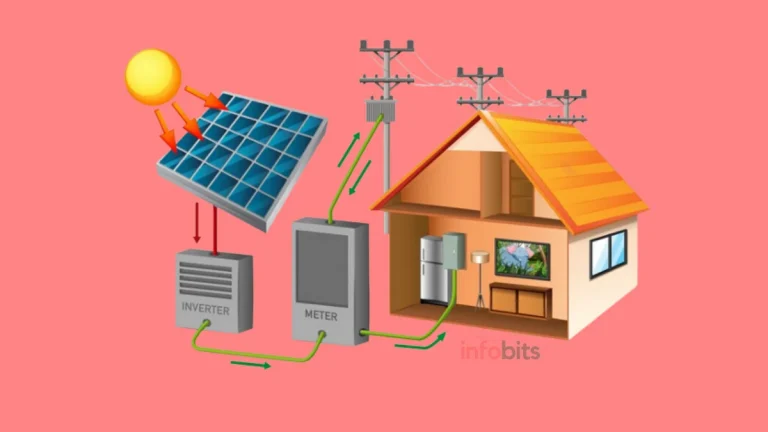
5. Surge Protectors for Solar/PV Systems
If you have a rooftop solar system or are planning one, surge protection is a separate and critical consideration.
Solar panels and inverters are vulnerable to both atmospheric surges (lightning) and grid surges from the AC side. DC-side surge protectors protect the panels and DC wiring; AC-side protectors protect the inverter and grid connection.
Many solar installations in India skip this component to reduce cost, which is a mistake. A single surge event can destroy a ₹30,000–₹80,000 solar inverter.
Related: The Difference Between On-Grid and Off-Grid Solar Systems
Key Specifications Explained: What to Look For When Buying
This is where most articles give you a list of terms without actually explaining what numbers are good or bad. Let me fix that.
1. Joule Rating: The Most Important Spec
The joule rating tells you the total amount of surge energy the device can absorb over its lifetime before the MOVs are depleted.
| Joule Rating | Protection Level | Suitable For |
|---|---|---|
| Below 500J | Very basic | Light use, low-value devices only |
| 500–1,000J | Basic to moderate | Lamps, phone chargers, basic appliances |
| 1,000–2,000J | Good | TVs, computers, gaming consoles |
| 2,000–3,000J | Very good | Home offices, AV equipment, high-value electronics |
| 3,000J+ | Excellent | Professional setups, high-value equipment |
For an Indian home with regular voltage fluctuations, choose at least 1,000J. For a computer workstation or home theatre, aim for 2,000J or above.
Important: The joule rating depletes over time. After a major surge or several years of use, a 2,000J protector may effectively be a 0J protector. It still passes power but no longer protects. If your surge protector doesn’t have an indicator light that goes off when protection is exhausted, you have no way of knowing when this has happened.
2. Clamping Voltage (Voltage Protection Rating)
The clamping voltage is the voltage threshold at which the surge protector activates and starts diverting excess energy. The lower this number, the faster and more protective the device.
| Clamping Voltage | Assessment |
|---|---|
| Below 330V | Excellent – activates early, very protective |
| 330V–400V | Good – standard for quality surge protectors |
| 400V–500V | Acceptable – some exposure before clamping |
| Above 500V | Poor – significant surge energy reaches devices before activation |
Look for a clamping voltage of 330V–400V for general home use in India, where the supply voltage is 230V AC.
3. Response Time
This is how quickly the surge protector reacts to a spike. Measured in nanoseconds (ns).
- Under 1 nanosecond: Ideal
- 1–5 nanoseconds: Very good
- Above 25 nanoseconds: Too slow; the surge may have already reached your device.
Most good-quality MOV-based surge protectors respond in under 1 nanosecond. Be wary of products that don’t specify response time at all. It often means the response time is poor.
4. Number and Type of Outlets
Check that the outlet type matches Indian plug standards. Many imported surge protectors have US-style outlets that don’t accept Indian flat-pin or round-pin plugs without an adapter. Look for:
- Universal sockets – accept most Indian, European, and international plug types
- ISI-marked outlets – conforming to IS 1293 standard for Indian sockets
Also check the current rating. The total load of all connected devices should not exceed the protector’s rated amperage (usually 10A or 16A).
5. Indicator Light
A protection status indicator LED is essential. When the LED is on, protection is active. When the LED goes off (or changes colour on some models), the MOVs are depleted, and the unit is no longer protecting; just passing power.
Always buy a surge protector with this feature. Without it, you’re essentially flying blind.
6. Certifications
In India, look for:
- ISI mark (BIS certification) – Indian Standard conformance, mandatory for many electrical products sold in India
- IS/IEC 61643 compliance – the international standard for surge protection devices
- UL Listed – for imported products (Underwriters Laboratories, a widely respected US safety certification)
Avoid unbranded, uncertified surge protectors sold loosely at local hardware shops. They may look identical to certified products but provide little to no real protection, and can actually be a fire hazard.
7. Connected Equipment Warranty
Some premium brands (Belkin, APC) offer a Connected Equipment Warranty, meaning they’ll compensate you (up to a stated amount) if equipment connected to their surge protector is damaged by a surge.
This is a useful signal of quality: brands confident enough in their product to back it with such a warranty are generally building better products.
What Devices in Your Home Need Surge Protection?
Here’s a practical priority guide for Indian homes:
High Priority – Protect These First
Desktop computers and laptops (when plugged in): Your laptop or desktop contains irreplaceable data and costs anywhere from ₹30,000 to ₹1,50,000+. A surge that damages the motherboard or storage drive can wipe out years of work and cost a significant repair bill. Always use a surge-protected power strip for your computer setup.
Smart TVs: Modern smart TVs contain complex circuit boards and processors that are extremely sensitive to voltage spikes. A surge during a monsoon storm or power restoration event can silently kill the main board. This is an expensive repair that sometimes costs more than a new budget TV.
Refrigerators: The compressor and modern inverter-compressor control boards in refrigerators are vulnerable to both large surges and the accumulated effect of internal mini-surges. A single-socket surge protector for your refrigerator is inexpensive insurance against a ₹30,000–₹80,000 replacement.
Wi-Fi routers and modems: Routers are often left permanently plugged in and forgotten. They’re also directly exposed to surges that arrive via both the power line and the telephone/broadband cable line. A router with blown surge circuitry is a common outcome of lightning events; easily prevented with a surge-protected strip (view on Amazon).
Medium Priority
Air conditioners: Window and split ACs, particularly those with inverter technology, have sensitive variable-frequency drive electronics. A surge protector for the AC power point is worth considering, especially in lightning-prone areas. For split ACs with a dedicated circuit, a wall-mount surge protector at the socket is the appropriate solution.
Washing machines and dishwashers: Modern washing machines are digitally controlled and can be damaged by surges, especially the control board. A wall-mount surge protector at the socket is sufficient.
Microwave ovens: The magnetron and control electronics in microwave ovens are moderately surge-sensitive.
Lower Priority (But Still Worth Protecting)
LED TVs in bedrooms, small fans, basic kitchen appliances. Lower risk because they have less complex electronics, but still benefit from surge protection in high-risk areas or during monsoon season.
What About Your Smartphone Charger?
Smartphone chargers include a small amount of surge protection built into their power supply circuitry. That said, charging your phone through a properly earthed surge-protected strip is still better than straight from the wall, particularly during thunderstorms.
Surge Protector vs. Voltage Stabiliser: Understanding the Difference
This is one of the most common questions from Indian buyers, and the confusion is understandable because both devices protect appliances from electrical problems.
| Feature | Surge Protector | Voltage Stabiliser |
|---|---|---|
| What it protects against | Brief, high-energy voltage spikes (microseconds to milliseconds) | Sustained high or low voltage (seconds to hours) |
| Response time | Nanoseconds | Seconds |
| How it works | Diverts excess energy to ground via MOVs | Steps voltage up or down using a transformer/relay |
| Adds battery backup? | No | No (unless combined with UPS) |
| Typical use | Computers, TVs, entertainment systems | Refrigerators, ACs, washing machines in areas with chronic voltage issues |
| Cost | ₹300–₹2,500 | ₹1,500–₹8,000+ |
| Maintenance | Replace every 3–5 years | Occasional servicing |
The key point: A surge protector handles fast, brief spikes. A voltage stabiliser handles slow, sustained voltage variations. In India, where both problems exist, many households benefit from having both, particularly for refrigerators and ACs in areas with chronic voltage issues.
If your area has frequent deep brownouts (voltage dropping to 150V or below for extended periods) alongside surge events, a combined Automatic Voltage Regulator (AVR) + surge protection system is worth considering.
Related: Isolation Transformer: A Beginner-Friendly Introduction
Common Mistakes Indian Buyers Make With Surge Protectors
Mistake 1: Buying a power strip thinking it’s a surge protector
The most expensive and common mistake. Many extension boards sold in India look exactly like surge-protected strips but offer zero protection.
The only way to know is to check whether the product explicitly states “surge protection” and shows a joule rating. If neither is mentioned, assume it’s just a power strip.
Mistake 2: Using a surge protector in a building with poor earthing
A surge protector works by diverting excess voltage to the earth wire. If your building’s earthing is poor or non-existent, the surge has nowhere to go, and the protector can’t do its job. If you live in an older building or flat, get your earthing checked before relying on a surge protector.
Mistake 3: Never replacing the surge protector
MOVs degrade with every surge they absorb. A surge protector you bought five years ago may be a ₹0 protector today. It still passes power but no longer protects. Replace surge protectors every 3–5 years, or immediately after a major lightning event or nearby transformer blast.
Mistake 4: Assuming the UPS protects against surges
Most entry-level UPS units sold with home inverters in India provide only basic surge protection, if any. Don’t rely on your inverter’s UPS for surge protection. Use a dedicated surge-protected strip for your sensitive devices.
Related: How to Charge the Inverter/UPS Battery Efficiently?
Mistake 5: Daisy-chaining surge protectors
Plugging one surge protector into another doesn’t double your protection. It can actually create electrical hazards and void warranties. Use one quality unit and choose one with enough sockets.
Mistake 6: Ignoring the indicator light
If your surge protector has an indicator light and it’s no longer lit, the MOVs are exhausted, and the device is no longer protecting. Replace it immediately. Many people assume the protection is still active as long as the device passes power, which is incorrect.
Mistake 7: Unplugging the surge protector but not the devices during a storm
During a heavy lightning storm, the safest option is to unplug your devices entirely from the wall. A surge protector significantly reduces risk, but a direct lightning strike to your power line can overwhelm even the best consumer-grade protector.
During severe thunderstorms, disconnecting critical equipment entirely is the gold standard.
How to Check If Your Surge Protector Is Still Working
Use this quick checklist:
- [1] The indicator LED is still lit (if your model has one)
- [2] The device is less than 3–5 years old
- [3] No major lightning events or power restoration surges have occurred near your location since you bought it
- [4] The unit has no physical damage, burn marks, or unusual smell
- [5] The circuit breaker/reset button on the unit has not repeatedly tripped
If any of these fail, replace the surge protector. They are inexpensive relative to the equipment they protect.
Buying Guide: Surge Protectors for Indian Homes in 2026
Here’s a practical framework for choosing the right surge protector for each situation:
For a Computer / Home Office Setup (Budget: ₹1,000–₹2,500)
Look for a power strip with: 1,500J+ joule rating, clamping voltage ≤400V, 4–6 sockets, indicator light, ISI or UL certification. Consider Belkin, Honeywell, or Syska branded options. Check out the latest options on Amazon.
For a Smart TV / Entertainment Setup (Budget: ₹600–₹1,500)
A 4-socket surge-protected strip or a wall-mount surge protector near the TV unit. Look for 1,000J+ minimum, universal sockets, and an indicator LED.
For a Refrigerator (Budget: ₹400–₹1,000)
A single-socket or 2-socket wall-mount surge protector rated for the refrigerator’s load (typically 2A–5A for an inverter compressor fridge, up to 8–10A for older models). Ensure the current rating matches your appliance.
For a Whole Home (Budget: ₹2,000–₹8,000 + installation)
A panel-level SPD installed by a licensed electrician at your distribution board. Brands: Schneider Electric, ABB, Havells, Legrand. This is the first line of defence against large external surges; still use point-of-use protectors for sensitive devices as a second layer.
For a Solar Installation (Budget: ₹1,500–₹5,000)
Dedicated DC-side and AC-side SPDs. Consult your solar installer. This should be part of any professionally designed solar installation, but is often omitted to reduce costs. It’s worth insisting on it.
Myths vs. Facts About Surge Protectors
| Myth | Fact |
|---|---|
| “A surge protector lasts forever” | MOVs degrade with every surge. Replace every 3–5 years. |
| “Any power strip with a switch is a surge protector” | No. A switch adds convenience; it doesn’t add surge protection. Check for a joule rating. |
| “Surge protectors protect against lightning strikes” | Consumer surge protectors reduce the risk from nearby lightning. A direct strike to your power line can overwhelm them. Disconnect critical devices during severe storms. |
| “Higher price always means better protection” | Not always. Check the joule rating and clamping voltage specs, not just the brand or price. |
| “My appliances are fine without one; I’ve never had a problem” | Voltage spikes cause both instant failure and slow, cumulative degradation that shortens appliance life. The damage may not be visible until an appliance fails prematurely. |
| “A surge protector and a voltage stabiliser do the same thing” | No. They solve different problems. Surge protectors handle brief spikes; stabilisers handle sustained voltage variations. |
Conclusion
Surge protectors are one of the most underrated investments in home electronics protection, especially in India, where voltage fluctuations, power cuts, and monsoon lightning are facts of life.
The cost of a good surge protector is genuinely trivial compared to the cost of a single damaged appliance. A ₹1,200 surge-protected strip protecting a ₹60,000 smart TV is one of the best value-for-money decisions you can make.
The key things to remember:
- Always look for the joule rating and clamping voltage; not all “surge protectors” are equal
- Replace surge protectors every 3–5 years or after a major surge event
- Good earthing in your building is a prerequisite for effective surge protection
- For whole-home protection, a panel-level SPD is the first line of defence; point-of-use protectors are the second
- During severe thunderstorms, unplugging critical devices is still the safest option
If you have expensive electronics plugged into unprotected sockets right now, that’s the one thing to fix today.
Frequently Asked Questions
A surge protector is a device that protects electronic equipment from sudden, brief spikes in voltage, known as surges or transients. It detects excess voltage above a safe threshold and diverts it to the earth/ground wire before it can reach and damage connected devices. Surge protectors are used in homes, offices, and industrial settings to protect computers, TVs, refrigerators, and other electronics.
In India, surge protector, spike guard, and spike buster all refer to essentially the same type of device. That protects electronics from voltage spikes using Metal Oxide Varistors (MOVs) or similar components. The terms are used interchangeably in the Indian market, with “spike guard” and “spike buster” being local colloquial names for what is internationally called a surge protector.
No. A power strip simply extends the number of available sockets from a single wall outlet. It does not protect against voltage surges. A surge protector (or surge-protected power strip) looks similar but contains additional components, typically MOVs, that intercept and divert excess voltage. Always check for a joule rating on the product label to confirm it has surge protection.
The joule rating indicates the total amount of surge energy a surge protector can absorb over its lifetime before the protective components (MOVs) are depleted. A higher joule rating means more protection capacity. For general home use in India, look for at least 1,000 joules. For computers, home offices, and home theatre systems, 2,000 joules or above is recommended. Once the joule capacity is exhausted, the device no longer protects. It only passes power.
Clamping voltage is the voltage threshold at which the surge protector activates and begins diverting excess energy away from connected devices. A lower clamping voltage means the protector responds earlier and allows less surge energy through. For India’s 230V supply, look for a clamping voltage of 330V–400V. Devices with clamping voltages above 500V provide significantly less protection.
Most surge protectors last 3–5 years under normal conditions. However, the protective components (MOVs) degrade with every surge they absorb, so a protector in an area with frequent voltage fluctuations may be depleted sooner. Replace your surge protector every 3–5 years, or immediately after a major surge event like a nearby lightning strike or power grid fault. If the unit has an indicator light and it goes off, replace it right away.
A UPS provides battery backup during power cuts, and many include some basic surge protection. However, most consumer-grade UPS units sold in India provide only minimal surge protection. For sensitive equipment like computers and home theatre systems, using a dedicated surge protector in addition to a UPS is the safest approach.
A surge protector handles brief, intense voltage spikes that last microseconds, caused by lightning, power restoration surges, or large appliances switching on. A voltage stabiliser handles sustained high or low voltage conditions that last seconds to hours. They solve different problems and are not interchangeable. In India, homes with chronic voltage issues may benefit from both: a surge protector for spikes, and a stabiliser for sustained voltage variation.
Yes. Modern refrigerators, especially those with inverter compressors, have sensitive electronic control boards that can be damaged by voltage surges, particularly during power restoration after a cut. A single-socket wall-mount surge protector rated for your refrigerator’s load is an inexpensive way to protect an expensive appliance.
Consumer-grade surge protectors reduce the risk of damage from nearby lightning strikes that travel through power lines. However, a direct lightning strike to your power line or the transformer feeding your area can produce a surge too large for a consumer protector to handle. During severe thunderstorms, the safest practice is to unplug critical electronics entirely, in addition to using a surge protector during normal operation.
Surge protectors work by diverting excess voltage to the earth/ground wire in your electrical system. If your building has poor or no earthing, this diversion cannot happen effectively, and the surge protector cannot do its job. Many older buildings and flats in India have inadequate earthing. If you’re unsure about your building’s earthing quality, have it checked by a licensed electrician before relying on surge protectors.
A whole-house surge protector is a panel-level SPD (Surge Protection Device) installed at your main electrical distribution board by a licensed electrician. It protects every circuit in the building from large external surges, from lightning or the power grid, before they enter your wiring. It’s a first line of defence and works best in combination with point-of-use surge protectors for individual sensitive devices. In India, it’s particularly valuable for homes in lightning-prone areas or those with a history of surge damage.
Look for the ISI mark (BIS certification conforming to Indian electrical standards), IS/IEC 61643 compliance (the international standard for surge protection devices), or UL Listed marking for imported products. Avoid uncertified surge protectors from unknown manufacturers. They may offer no real protection and can be a fire hazard.
No; this is called daisy-chaining and is not recommended. It can create electrical hazards, overload circuits, and void the warranty on both devices. If you need more outlets, choose a surge protector with enough sockets for your needs, or use a properly rated extension cord from the wall to a single surge-protected strip.
The highest priority devices for surge protection in an Indian home are: desktop computers and laptops (when plugged in), smart TVs, refrigerators, Wi-Fi routers, and air conditioners with inverter technology. These contain sensitive electronics that are both expensive and vulnerable to voltage spikes. Home entertainment systems, washing machines, and microwave ovens are medium priority.
The most reliable indicator is the protection status LED on the surge protector. If this light is off (and it was previously on), the MOVs are depleted, and the unit no longer protects; replace it. If your surge protector doesn’t have an indicator light, go by age: replace it every 3–5 years or after any major electrical event in your area.
MOV stands for Metal Oxide Varistor; the core protective component inside most surge protectors. It’s a semiconductor that has very high resistance at normal voltage but sharply reduces its resistance when voltage exceeds a threshold (typically around 330–400V), diverting the excess current to ground. MOVs are fast, inexpensive, and effective, but they degrade with each surge they absorb, which is why surge protectors have a finite lifespan.
Cheap, uncertified surge protectors are often not effective and can be dangerous. Many low-cost products sold in Indian hardware shops and online marketplaces use substandard MOVs or no protective components at all. They may look like a surge protector on the outside but function only as a power strip. For real protection, buy from a reputable brand, look for a joule rating on the label, and check for ISI or UL certification.
Yes; during a severe thunderstorm with lightning activity nearby, unplugging critical electronics from the wall is the safest option. Consumer-grade surge protectors significantly reduce risk under normal conditions, but a direct or nearby lightning strike can produce energy levels that overwhelm them. The combination of a good surge protector for daily use plus unplugging during severe storms gives you the best overall protection.
Reputable surge protector brands available in India include Belkin (premium, with connected equipment warranty), Honeywell, Havells, GM Modular, Anchor, Syska, Portronics, and Schneider Electric (for panel-level SPDs). For everyday home use, Belkin and Honeywell offer some of the best quality-to-price ratios. For budget options, GM Modular and Anchor are widely available and carry ISI certification.
We hope you are interested in our articles and consider following our Facebook, Instagram, and Twitter pages for regular updates.
Also, share this article with your friends and relatives. Bookmark this page for future reference.
Subscribe to our free newsletter to get similar articles and regular updates directly in your Email Inbox.
Subscribe to be the first to learn about new information
Disclosure: If you follow our links to a retailer’s website and make a purchase, we will get an affiliate commission on some, but not all, of the items or services we promote. This will cause no price change for you.