Bone Conduction Headphones in India: Worth Buying or Skip It?
Quick Answer:
Yes, bone conduction headphones are worth it in 2026. But only for specific use cases. They’re genuinely great if you run or cycle in traffic, take long work calls, or have sensitive ears prone to infection, since they leave your ear canal completely open. They’re not worth it if you want strong bass, private listening, or noise-cancelling immersion. Regular earbuds still beat them on all three.
- Best for: runners, cyclists, commuters, long call days, humid-climate ear comfort
- Skip if: you want deep bass, silence from noise cancellation, or audio privacy.
- Price in India: ₹1,800 (budget) to ₹27,000 (premium sport/swim models)
- Biggest limitation: weaker bass and some sound leakage at higher volumes. A byproduct of how the technology works, not a specific brand flaw
A few years ago, bone conduction headphones felt like a gimmick you’d only see on a marathon runner’s cheekbones. In 2026, they’ve quietly become a genuine category, sitting somewhere between wired earphones and true wireless earbuds, aimed at people who want audio without shutting their ears off completely.
But “worth it” is a loaded question, because bone conduction headphones solve a very specific problem and create a few new adjustments along the way. If you commute on a bike through Indian traffic, run early mornings, or spend six hours a day on work calls, they might genuinely change how you listen.
If you’re after deep bass for your workout playlist or watch a lot of videos in bed at night, they’ll probably frustrate you.
This guide walks through exactly how they work, what they cost in India right now, where they shine, where they fall short, and, importantly, who should just skip them and buy something else instead.
What Are Bone Conduction Headphones, Exactly?
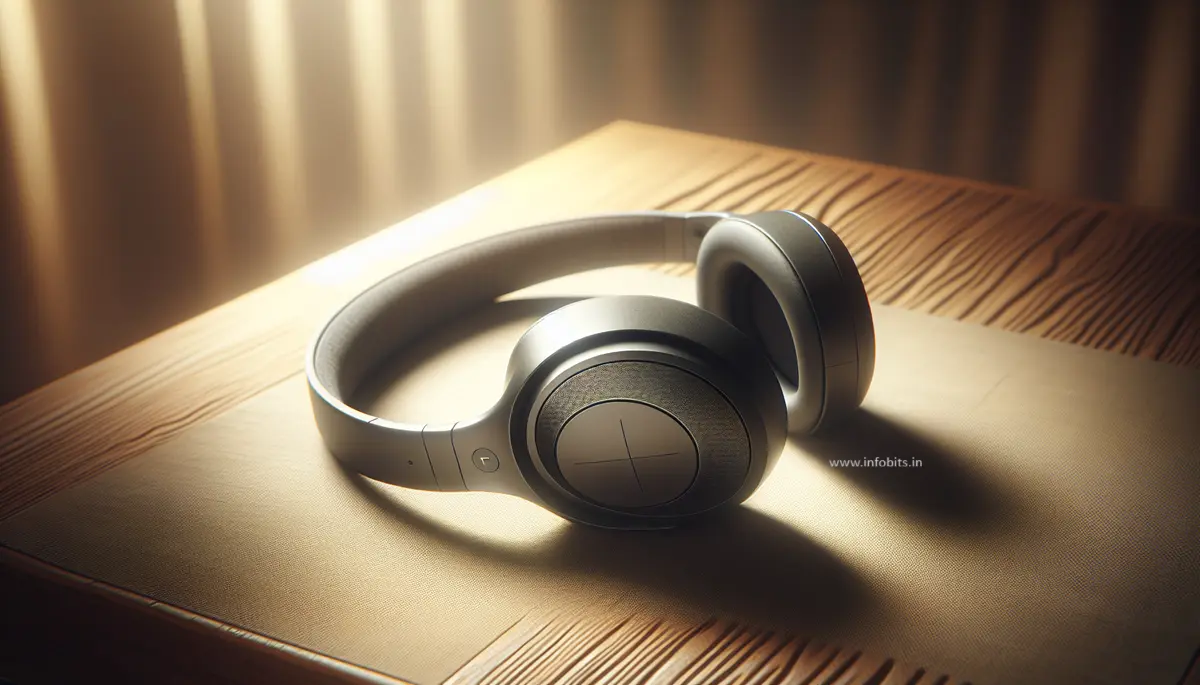
Instead of pushing sound waves into your ear canal like every other headphone, bone conduction headphones rest on your cheekbones, just in front of your ears, and vibrate. Those vibrations travel through the bones of your skull straight to your cochlea (inner ear), completely bypassing your eardrum.
The result is that your ear canal stays fully open. You can hear your music and your surroundings- traffic, a colleague talking, the doorbell- at the same time.
This isn’t new science. Bone conduction has existed since the early 1900s in hearing-aid and telephony research, but it’s only in the last few years that Bluetooth versions became small, comfortable, and affordable enough for everyday consumer use.
Related: Headphones or Earphones: Which Is Better for You?
How They Compare to Regular Headphones and Earbuds
| Feature | Bone Conduction Headphones | Regular Earbuds/Headphones |
|---|---|---|
| How sound reaches you | Vibrations through cheekbones to inner ear | Sound waves through the ear canal to the eardrum |
| Ear canal | Stays completely open | Sealed or partially blocked |
| Situational awareness | Excellent; you hear traffic, people, alarms | Limited, especially with active noise cancellation |
| Bass and audio depth | Noticeably weaker | Fuller, richer, especially with a proper seal |
| Sound leakage | More noticeable, especially at higher volumes | Minimal with in-ear designs |
| Comfort for glasses/mask wearers | Can clash with glasses arms | Generally unaffected |
| Ear health (infections, wax buildup) | No ear canal contact, lower infection risk | Prolonged use can trap moisture and bacteria |
| Sweat/water resistance | Common even in budget models | Varies widely by price |
| Typical price in India | ₹1,800–₹27,000 | ₹500–₹30,000+ |
| Best for | Running, cycling, calls, humid climates | Music immersion, gaming, noise cancellation |
Who Should Actually Consider Bone Conduction Headphones
Runners, Cyclists, and Road Commuters
This is the single strongest use case, especially in Indian cities. If you run or cycle on roads shared with traffic, keeping your ears open to hear a horn, a bike, or someone shouting is genuinely a safety feature, not a nice-to-have.
Several models are also built to stay put during hard movement, which regular earbuds sometimes struggle with.
For daily running on Indian roads, something like the SHOKZ OpenRun Pro 2 Mini (available on Amazon) is a well-tested, dependable pick that balances battery life, fit, and awareness without a steep price jump.
People With Frequent Ear Infections or Sensitive Ears
India’s humid climate isn’t kind to ears that spend hours a day plugged with silicone tips. Trapped moisture and wax buildup are common complaints, and some ENT specialists recommend open-ear designs for people prone to recurring ear infections or discomfort from in-ear wear.
Since bone conduction headphones never enter the ear canal, they sidestep this problem entirely.
Remote Workers on Long Call Days
If you’re on video calls for five or six hours a day, in-ear buds can genuinely hurt after a while. Pressure, warmth, and that dull ache by evening.
Bone conduction headphones rest on the outside of your head, so there’s no canal pressure at all, and you can still hear a doorbell, a delivery knock, or a family member without pulling anything out of your ear.
Swimmers
A specific sub-category of waterproof bone conduction headphones with built-in storage (no Bluetooth needed underwater) has become genuinely popular with swimmers, since regular earbuds simply don’t work submerged.
Who Should Probably Skip Them
Be honest with yourself about these before spending the money:
- Bass-heavy music lovers. If your playlist leans hip-hop, EDM, or anything bass-forward, bone conduction will disappoint you. The physics of transmitting deep, low-frequency vibrations through bone just isn’t as effective as a sealed driver pushing air directly into your ear canal.
- People who value audio privacy. At higher volumes, the headphone casing itself vibrates enough to leak audible sound to people nearby; noticeable in quiet rooms like an office or library.
- Frequent flyers or noisy-commute users. Since there’s no noise cancellation and no seal, bone conduction headphones do nothing to block out a loud train, flight cabin, or busy street. You’ll likely end up cranking the volume, which increases both leakage and vibration discomfort.
- Anyone sensitive to vibration. A meaningful share of first-time users report a noticeable “buzzing” sensation on the cheekbone at higher volumes, particularly with bass-heavy tracks, and some abandon the headphones for music altogether because of it.
Related: Best Wireless Earbuds Under ₹4000 in India (2026): Tested & Compared
Where the Technology Still Falls Short
Reviewers and long-term users consistently flag four issues, regardless of brand or price:
- Limited bass response. Even flagship models use digital processing to simulate bass, but it can’t fully replicate a proper sealed driver.
- Sound leakage at volume. This is a byproduct of how the transducers work, not a manufacturing flaw. Every bone conduction headphone leaks some sound once you push past moderate volume.
- Vibration discomfort during long sessions. Some users feel a mild buzzing on the cheekbone, especially at higher volumes or with bass-forward tracks.
- Shorter battery life than typical earbuds. The transducers draw more power than standard drivers, so expect 6–10 hours per charge on most models rather than the 24+ hours some true wireless earbuds advertise with their charging case.
None of these is dealbreakers if you’re buying them for the right reason (safety and awareness), but they matter a lot if you’re expecting a like-for-like replacement for your regular earbuds.
Price in India: What You’ll Actually Pay in 2026
Bone conduction headphones in India now span a wide range:
- Budget (₹1,800–₹5,000): Entry-level open-ear models, decent for calls and casual listening, with basic sweat resistance. Battery life and sound clarity are noticeably weaker at this tier.
- Mid-range (₹5,000–₹15,000): This is where most mainstream buyers land. Expect improved sound clarity, IP68 waterproofing, multipoint Bluetooth (connecting to two devices at once), and 8–10 hour battery life.
- Premium (₹15,000–₹27,000): Flagship sport-focused models with the best bass processing currently possible on this technology, dual-device pairing, and waterproof designs built for swimming.
If you want to see current live pricing and models across these tiers before deciding on a budget, checking today’s bone conduction headphone listings on Amazon India is worth doing, since prices shift frequently with sales.
Related: Best Wireless Headphones Under 2000 in India
Are They Safe for Your Hearing?
This is genuinely one of the more misunderstood points about bone conduction technology, so let’s be precise about it.
Bone conduction headphones don’t make loud audio inherently safer for your hearing. Whether sound reaches your cochlea through air and an eardrum, or through bone vibration, the same inner-ear structures are ultimately doing the work, and prolonged high-volume listening can damage them either way.
The safety advantage of bone conduction isn’t hearing protection; it’s situational awareness (hearing traffic, alarms, and people around you), which is a real and meaningful benefit, just a different one than “hearing-safe.”
What they do avoid is the ear-canal-specific risks of in-ear buds: trapped moisture, wax buildup, and the discomfort or infection risk that comes with prolonged silicone-tip contact, which is a genuinely useful advantage in India’s climate.
Expert Tips for Getting the Best Experience
- Keep volume at 60–70% or below. Beyond this, both sound leakage and cheekbone vibration increase sharply on most models.
- Wipe the contact points after every use, especially if you sweat during workouts. This reduces the risk of skin irritation over time.
- If you wear glasses, try the headphones on before buying if possible, since the arms of the headphones and your glasses frame can compete for the same space behind your ear.
- Pair with podcasts and calls, not bass-heavy music, if you want the best experience. This is genuinely what the technology is best suited for.
- Check the IP rating before buying if you plan to run in India’s monsoon season. IP67 or higher will handle rain and sweat without issue.
Myth vs Fact
Myth: Bone conduction headphones are completely safe for your hearing, no matter the volume. Fact: They skip the eardrum, but the same inner-ear structures still process the sound. High volume can still cause hearing damage over time, same as any headphones.
Myth: They sound just as good as regular headphones now. Fact: Bass and audio depth remain a genuine limitation of the physics involved. They’re good for calls, podcasts, and casual listening, not for audiophile-grade music.
Myth: Nobody around you can hear what you’re listening to. Fact: At higher volumes, the housing itself vibrates enough to leak sound audibly to people close by. It’s more private than a speaker but less private than sealed earbuds.
Myth: They’re only for runners and athletes. Fact: A growing number of buyers use them for calls, WFH days, and simply because they’re more comfortable for all-day wear or have sensitive ears.
Bone Conduction vs the New “Open-Ear” Earbud Category
It’s worth knowing that bone conduction isn’t the only open-ear option anymore.
A newer category of “air conduction” open-ear earbuds ( clip-on designs that sit near the ear opening without sealing it, rather than resting on the cheekbone) has emerged as a genuine alternative, often with noticeably better bass since they still use a traditional driver aimed (loosely) at the ear canal.
If situational awareness matters to you but bass quality matters just as much, it’s worth comparing both categories before you decide, rather than assuming bone conduction is the only open-ear route available.
Frequently Asked Questions (FAQs)
Yes, if your priority is situational awareness ( running, cycling, commuting, or long call days) where staying alert to your surroundings matters more than deep bass or audio immersion. If you want strong bass or noise isolation, they’re not the right pick.
Prices range from around ₹1,800 for budget models to ₹27,000 for premium sport and swim-focused models, with most mainstream buyers landing in the ₹5,000–₹15,000 range.
Not quite. They handle vocals, podcasts, and calls well, but bass and overall audio depth remain noticeably weaker than sealed in-ear or over-ear headphones.
At higher volumes, yes. The headphone casing vibrates enough to leak some audible sound, especially in quiet environments. Keeping volume moderate minimises this.
They’re not inherently “hearing-safe”. The same inner-ear structures process the sound either way, so high volumes can still cause damage over time. Their real safety benefit is letting you hear your surroundings, not protecting your hearing.
Yes, this is their strongest use case. Keeping your ears open to hear vehicles and people is a genuine safety advantage over sealed earbuds or noise-cancelling headphones.
Yes, specific waterproof models with built-in storage are designed for underwater use, since Bluetooth doesn’t function properly when submerged.
This is a known side effect at higher volumes, caused by the vibration of the transducers against your skin and bone. It’s more noticeable with bass-heavy tracks and tends to ease at lower volumes.
Many people with recurring ear infections or ear canal sensitivity find bone conduction headphones more comfortable, since they never make contact with the ear canal itself.
Generally yes, though the fit can feel tight since both the glasses arms and the headphone band sit in the same area behind your ears. It’s worth trying a pair on before buying if this concerns you.
Most mid-range and premium models offer 6–10 hours of playback per charge, which is shorter than many true wireless earbuds with a charging case, since the transducers draw more power.
They work well for cardio and general workouts, though the lack of deep bass can feel less motivating for heavy-lifting or bass-driven workout playlists compared to sealed earbuds.
Bone conduction rests on the cheekbone and transmits sound through bone vibration. Air conduction open-ear earbuds sit near the ear opening and still push sound waves toward the ear canal using a traditional driver, often with better bass as a result.
Yes, this is one of their best use cases; comfortable for hours of wear, no ear canal pressure, and you can still hear your surroundings during a long work-from-home day.
Shokz is the most established and widely available name in India, but budget-friendly options from other brands are available too, particularly in the ₹2,000–₹5,000 range for casual users.
Yes, at sustained high volumes, just like any headphone, since the same inner-ear structures process the sound. Keeping volume moderate and taking listening breaks applies here as much as with any other headphone type.
Many mid-range and premium models carry an IP67 or IP68 rating, making them sweat- and rain-resistant, with some designed specifically for swimming.
Yes, virtually all current models use standard Bluetooth and work equally well across Android and iOS devices.
If you’re a serious runner or swimmer who uses them daily, the improved battery life, bass processing, and multipoint connectivity in premium models are noticeable. Casual or occasional users are usually well served by mid-range options instead.
Prioritise IP rating (for sweat/rain resistance), battery life for your typical use session, and, if possible, try the fit in person, since comfort varies more with bone conduction than with regular earbuds.
If you’re exploring more audio options for your everyday setup, check out our related buying guides below for budgets across wired, wireless, and open-ear categories.
We hope you are interested in our articles and consider following our Facebook, Instagram, and Twitter pages for regular updates.
Also, share this article with your friends and relatives. Bookmark this page for future reference.
Subscribe to our free newsletter to get similar articles and regular updates directly in your Email Inbox.
Subscribe to be the first to learn about new information
Disclosure: If you follow our links to a retailer’s website and make a purchase, we will get an affiliate commission on some, but not all, of the items or services we promote. This will cause no price change for you.